
Mechanical Conditions and Safety
Assess the vehicle in daylight and always take a test drive. It is often wise to take a friend with you. If a vehicle has been in an accident, it may be unsafe. Sometimes two damaged vehicles are welded together, these are known as ‘Code 3’ and are almost certainly unsafe. If you suspect a vehicle has been involved in an accident it’s a good idea to take the vehicle to a Retail Motor Industry (RMI) approved panel beater who, for a small fee will be able to identify if the vehicle has been involved in an accident.
Stolen Vehicles
If you buy a stolen vehicle, the police can take it from you and return it to the original owner or the insurance company if a claim has been paid. You will not get any compensation even though you bought the vehicle in good faith.
Police clearance means that the engine/chassis numbers are not reported as stolen. It does not mean that the vehicle is free of any encumbrance to a bank or other person. You can sue the seller for your losses but this might be difficult. If you bought the vehicle on credit you may still have to repay the loan. If bought through a dealer approved by the major finance houses you should have recourse through the dealer. It can be hard to tell whether a vehicle is stolen. Its identity may have been changed. For example, the identity number and number plate of a legitimate vehicle may be transferred to a stolen one. Vehicle registration documents can be forged or obtained by fraud. But there are telltale signs to look out for. Ask to see the vehicle registration document which the seller should be able to produce if there is no outstanding finance on the vehicle. If the seller can’t produce this document, be suspicious. Check for spelling mistakes and ask for proof of identity and address such as a driving license, passport, recent water and electricity bill. Check that the same name and address is given on the registration document.
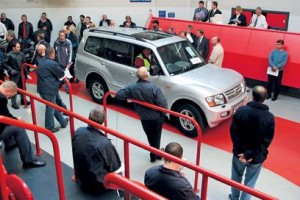
All Vehicles have THREE main Identifying Features
- The vehicle registration mark (the number plate)
- The vehicle identification number (VIN) – this can be found on a metal VIN plate, usually in the engine compartment and stamped into the bodywork under the bonnet and the driver’s seat. As a security measure some vehicles have the VIN etched on their windows or lamps;
- The engine number – these are shown on the registration document. The numbers on the vehicle should be the same as those on the registration document. Check that the identification numbers have not been tampered with. Another clue is whether the seller can show you the insurance policy for the vehicle. If it is stolen, probably not.
Who is the Owner?
A vehicle bought on hire purchase or conditional sale belongs to the bank or finance company until the payments have been completed. If you buy such a vehicle and there is outstanding finance on it, the lender can take the vehicle back. You can sue whoever sold you the vehicle – if you can find them. They keep databases of information about vehicles. They can tell you whether the one you want is clear. If you are buying from a dealer, ask whether this check has already been carried out.
Is the Mileage Genuine?
Low mileage can be a selling point. But the clock can be turned back to reduce the number of kilometres shown. If the kilometres are low but wear and tear on the vehicle looks heavy, the vehicle could have been ‘clocked’. ‘Clockers’ sometimes change pedal rubbers, steering wheels and gear knobs to hide this. Another sign is the kilometre numbers don’t line up correctly.
Try to find out about the history of the vehicle. Roadworthy certificates and service documentation will show kilometre readings taken by mechanics. It may be worth contacting previous owner’s names on the registration document which will be available from the vehicle licensing department, to ask what the kilometre reading was when they sold the vehicle. You could also ask what it was used for, for example, short trips or regular motorway driving.